

The importance of following up after applications
When done correctly, following up helps you stay visible, demonstrate intent, and reinforce your interest — without crossing boundaries.
Table of Contents
- Why following up matters
- When and how to follow up
- What a professional follow-up looks like
- Common follow-up mistakes to avoid
Why following up matters
Hiring processes often involve multiple steps, stakeholders, and timelines. Delays are common and rarely personal. A well-timed follow-up serves three purposes:
It reminds the employer of your application
It signals genuine interest and professionalism
It helps clarify next steps without assumptions
Following up also shows that you understand professional communication norms — something employers value just as much as technical skills.
Silence does not always mean disinterest. Sometimes, it simply means decisions are still in progress.
When and how to follow up
Timing matters more than frequency.
A simple guideline:
First follow-up: 7–10 days after applying, if no timeline was shared
Post-interview follow-up: Within 24–48 hours
Second follow-up: Only if explicitly encouraged or if a timeline has passed
Follow-ups should always be:
Polite
Concise
Purpose-driven
One well-written message is far more effective than multiple check-ins.
What a professional follow-up looks like
A strong follow-up message typically includes:
A brief reminder of who you are and which role you applied for
A reaffirmation of interest in the role
A respectful request for an update or clarity on next steps
Avoid explaining your entire profile again. The goal is presence, not persuasion.
Tone matters. Calm confidence leaves a better impression than urgency or pressure.
Common follow-up mistakes to avoid
Many follow-ups fail not because they exist, but because of how they are written. Common mistakes include:
Following up too frequently
Sounding impatient or entitled
Asking questions that were already answered
Copy-pasting generic messages without context
A follow-up should feel like a continuation of a professional conversation, not a demand for attention.
Looking ahead
Following up is not about chasing — it’s about communicating professionally and staying engaged in the process. When done well, it reinforces your credibility and keeps you visible without discomfort.
If you’re applying for roles and want to manage your applications confidently, Naukrigulf can help you track opportunities and stay organised throughout your job search.
Related articles
NEW
Why your job search is taking longer than it should?
You have updated your CV. You are applying regularly. You are qualified for the roles you are targeting. And still nothing. W...
Read more
NEW
The follow up: Why most jobseekers get this wrong?
We asked professionals how many applications they send before expecting a single response. The most common answer, chosen by ...
Read more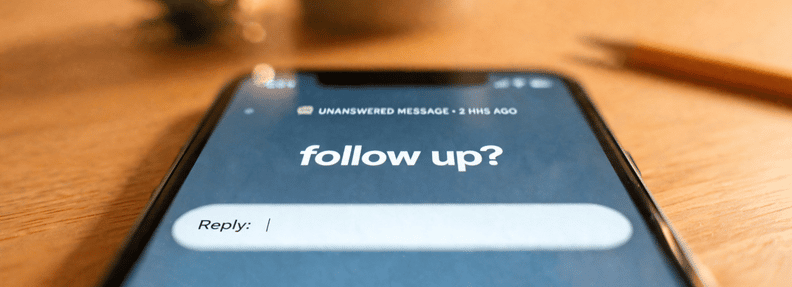
NEW
UAE launches AED 1 billion industrial fund: Make it in the Emirates hits record
The UAE just made its most significant industrial investment commitment of 2026 and the scale of it matters for anyone thinki...
Read more