

Virtual interview tips that improve success rates
Understanding how virtual interviews differ from in-person conversations helps you show up confidently and professionally.
Table of contents
- Why virtual interviews require a different approach
- Preparing the right environment
- Communicating clearly on screen
- Avoiding common virtual interview mistakes
Why virtual interviews require a different approach
Virtual interviews remove many natural cues present in face-to-face conversations. Body language is limited, eye contact feels unnatural, and small delays can disrupt flow.
Because of this, interviewers often rely more heavily on:
- Clarity of communication
- Structure in responses
- Professional presence on screen
Being intentional about these elements helps compensate for the lack of physical interaction.
Preparing the right environment
Your environment influences first impressions more than you might expect. Before the interview:
- Choose a quiet, well-lit space
- Ensure your camera is at eye level
- Test audio and internet connection in advance
- Keep your background simple and distraction-free
Preparation here reduces stress and allows you to focus fully on the conversation.
Communicating clearly on screen
Virtual interviews require slightly different communication habits:
- Speak a bit more slowly than usual
- Pause briefly after questions to avoid overlap
- Look into the camera when speaking, not at your own image
- Use hand gestures sparingly and purposefully
Clear structure in answers becomes especially important when non-verbal cues are limited.
Avoiding common virtual interview mistakes
Some mistakes are more common in virtual settings:
- Multitasking or glancing at other screens
- Overlooking posture and body language
- Reading answers instead of speaking naturally
- Ignoring technical issues rather than addressing them calmly
If something goes wrong, acknowledge it briefly and move on. How you handle minor disruptions often leaves a stronger impression.
Looking Ahead
Virtual interviews are not easier — they are simply different. When you prepare intentionally and communicate with clarity, the format becomes an advantage rather than a barrier.
If you’re preparing for virtual interviews and exploring roles that fit your experience and goals, Naukrigulf can help you find opportunities where your strengths translate well across hiring formats.
Related articles
How to evaluate a company before you even apply?
Most jobseekers spend their energy getting companies to notice them. Fewer spend time asking whether the company deserves their application in the first place.In a market with thou...
Read more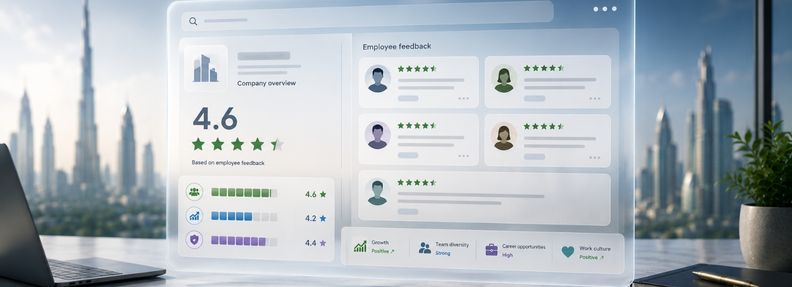
Is your notice period hurting your job search?
You have the right experience.The job matches your skills.The interviewer is interested.Then comes one question:“How soon can you join?”You say two or three months, and suddenly th...
Read more
What should you do if your job search isn't working?
You have applied for dozens of jobs.Your CV is ready. Your profile is updated. You keep finding new openings and applying.But the interviews are not coming.Before sending another a...
Read more