
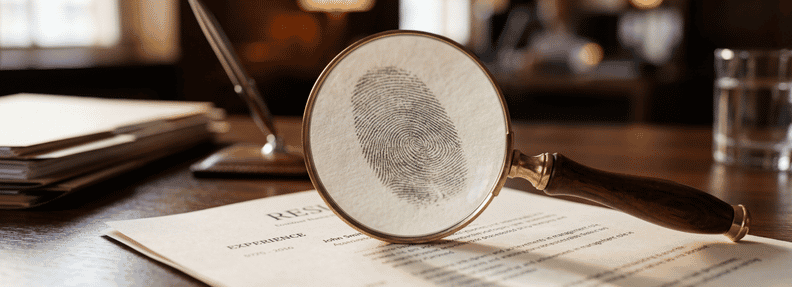
The hidden signals recruiters look for that nobody talks about...
Most jobseekers focus entirely on the formal stages of hiring, the CV, the interview answers, the technical assessment. But recruiters are reading signals throughout the process that most candidates never realise they are sending. Here are five that consistently influence the outcome.
1. How you respond to scheduling
Speed, tone, and flexibility in the back-and-forth of scheduling tell a recruiter more than you think. A candidate who replies promptly, accommodates where possible, and communicates clearly before the interview has even started is already being assessed positively. Delays, vague responses, or unnecessary complexity signal the opposite.
2. The questions you ask and when you ask them
Every interview has a moment where the candidate is invited to ask questions. What you ask reveals what you prioritise. Questions about growth, team structure, or the challenges the role is trying to solve signal genuine engagement. Questions that focus only on benefits, leave policies, or remote flexibility, especially early in the process shift the impression before you have built enough credibility to carry it.
3. How you handle the unexpected
Not every interview goes according to plan. A technical question you were not expecting. A panel member who challenges your answer. A shift in the format at short notice. How you respond to these moments, with composure or with visible frustration, is one of the strongest signals a recruiter can observe. They are not testing your knowledge in that moment. They are testing your adaptability.
4. Your digital presence
Before a recruiter meets you, they have almost certainly looked you up. Your professional profile, any public content, recommendations, endorsements. These form an impression before the first handshake. A profile that is consistent with your CV and reflects active professional engagement reinforces your credibility. A profile that is outdated, inconsistent, or empty raises questions that your interview performance then has to overcome.
5. What happens after the interview
Most candidates walk out of an interview and wait. The ones who stand out send a brief, specific note, not a template, not a generic thank-you, but something that references a moment from the conversation and reinforces their interest. It takes two minutes. Most people never do it. Recruiters notice both.
The formal process is only half the story. The signals you send between the stages are what separate the shortlisted from the selected.
Related articles
NEW
The new interview: What to expect when AI is in the room
We asked professionals whether they have ever faced an AI-conducted or AI-assisted interview. A third said yes and felt prepa...
Read more
NEW
The hiring process has changed. Are you keeping up?
Something has shifted and if you have been job searching recently, you have probably felt it before anyone explained it to yo...
Read more
Virtual interview tips that improve success rates
Virtual interviews have become a standard part of hiring processes. While the format may feel more convenient, it introduces a different set of challenges that can affect how you a...
Read more