
The new interview: What to expect when AI is in the room
That last number is small, but the feeling behind it is not. Walking into an interview and realising you are being assessed by something you do not fully understand is disorienting. It changes the dynamic in ways nobody warned you about. So let us take the mystery out of it.
What AI interviews actually look like
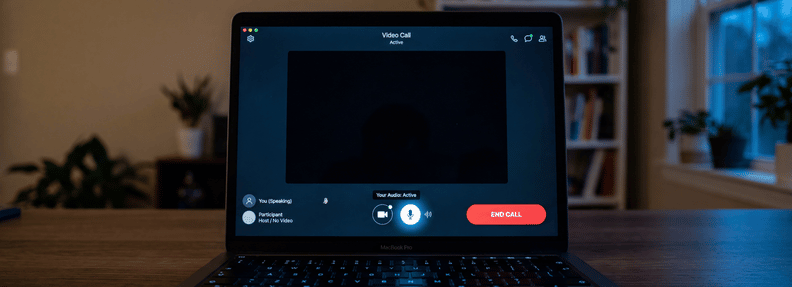
They are not science fiction. In most cases, an AI-assisted interview is a video recording where you answer pre-set questions on camera, within a time limit, without a live interviewer on the other side. The recording is then analysed, sometimes by software that evaluates your language, structure, and relevance, sometimes by a human who reviews it alongside an AI-generated summary.
Some companies use AI to assist live interviews instead of generating follow-up questions, scoring responses in real time, or flagging inconsistencies. In both cases, the AI is not making the final decision. It is filtering, scoring, and surfacing information for the human who does.
Why it feels different?
The discomfort most candidates describe is not about the technology. It is about the absence of a human reaction. In a traditional interview, you read the room. A nod, a smile, a follow-up question that tells you the interviewer is engaged. In an AI-assisted format, that feedback loop disappears. You are speaking into a camera with no signal that what you are saying is landing.
That feels unnatural because it is. But it does not change what makes a strong answer. Clarity, structure, relevance, and confidence translate regardless of who or what is on the other side. The fundamentals of a good interview have not changed. The environment has.
How to prepare without overthinking it
You do not need to perform differently for an AI interview. You need to perform more deliberately. Speak clearly. Structure your answers. Stay within the time limit. Do not rush to fill the silence and do not try to game the system. AI assessment tools are built to evaluate substance, not presentation tricks.
22% of professionals said AI interviews will not affect them. They may be right about their specific job search today. But the trajectory is clear. More companies are adopting these formats, and the professionals who familiarize themselves with the experience now, even before they face one, will feel significantly more comfortable when it matters.
The interview is changing. Your ability to show up well does not have to.
Related articles
NEW
The hidden signals recruiters look for that nobody talks about...
Your CV got you through the door. Your qualifications match. On paper, everything checks out. But somewhere between the appli...
Read more
NEW
The hiring process has changed. Are you keeping up?
Something has shifted and if you have been job searching recently, you have probably felt it before anyone explained it to yo...
Read more
Virtual interview tips that improve success rates
Virtual interviews have become a standard part of hiring processes. While the format may feel more convenient, it introduces a different set of challenges that can affect how you a...
Read more